
THE TRUTH ABOUT DOG PARKS
A Tucson K9 Trainer’s Honest Opinion
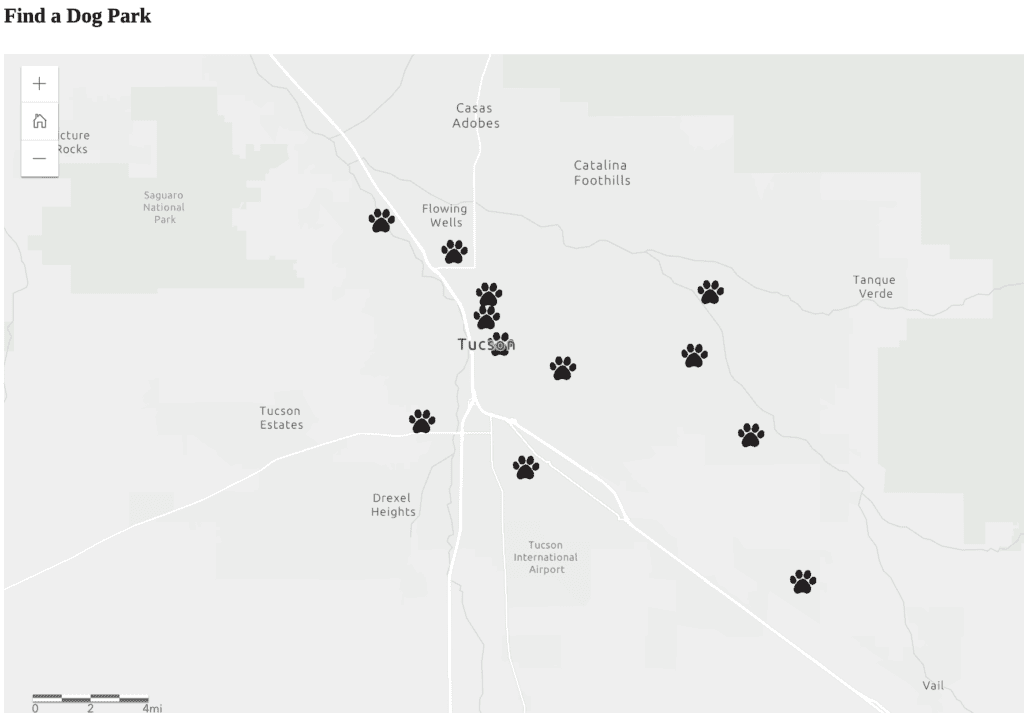
It’s one of those questions that comes up constantly during our dog training sessions in Tucson: “Are dog parks actually safe for my dog?”
Dog parks offer a mix of pros and cons, but as a professional dog trainer, I want to help you evaluate the real risks and rewards. The very fact that someone asks if dog parks are bad suggests they’ve either witnessed an unsettling incident or heard a horror story from a fellow local pet owner.
Because the question inherently implies risk, let’s break down exactly what those risks are—both physically and psychologically—and look at how they impact your pack dynamic here in the desert.
The Top 3 Physical Risks of Dog Parks
1. The Constant Threat of Canine Violence
Physical violence is always looming at an off-leash park. You would think that owners would know their dogs, and if a pup isn’t 100% friendly, they wouldn’t bring them. I wish it were that simple.
Many owners have dogs that get into frequent scuffles but will swear “it’s totally out of character!” Others view it as an occasional issue and offer flimsy justifications for bringing them back.
In a crowded setting, some dogs actively start brawls, while others are all too willing to finish them. Even a normally peaceful dog might “pile on” in a mob frenzy if a fight breaks out nearby. Dogs are social animals, but they are also predators. A packed dog park can quickly become a volatile combustion chamber where violence is a natural instinct.

2. Disease and Contamination
While you might keep a pristine home, not everyone in Pima County does. Dogs come from all kinds of environments, some of which harbor parasites, bacteria, and highly contagious viruses (like parvo or giardia) that are easily shuttled to public parks.
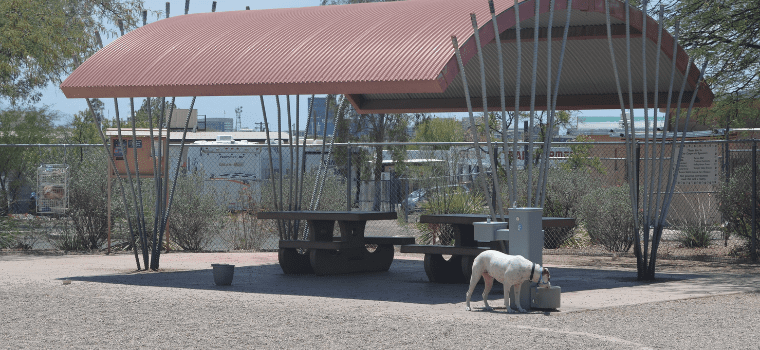
Diseases spread quickly when dogs bump into each other, romp through the dirt, or investigate things they shouldn’t eat. However, the biggest culprit is the communal water bowl. Even if a park has a running water fountain, there is almost always a well-meaning Samaritan who leaves a plastic bowl out for everyone to share. It essentially becomes a dirty glass of water at a local gym that everyone just “tops off” and drinks from.
3. Physical Strain and Overexertion
Just like people, dogs can easily “overdo it” and pull or strain a muscle. Your pet doesn’t have to be out of shape to get hurt; they can simply be having too much fun and accidentally damage their developing bones, joints, or tendons. While this is primarily a concern for puppies and senior dogs, even a healthy adult dog can push past their physical limits trying to outrun a bully or maintain possession of a toy.
The 4 Hidden Psychological Risks
The mental toll of a chaotic off-leash environment is often overlooked, but it’s a massive focus for us at Black Belt Canine Academy.
1. Processing Violence
Even if your dog never gets into a physical fight, an off-leash park forces them to constantly process the possibility of violence. If your dog is the aggressor, the park becomes a place where they can practice bullying and predatory behaviors. If your dog is the victim, the resulting fear can permanently damage their confidence. As a professional dog trainer in Tucson, AZ, I am frequently called to homes to fix “emotional baggage” caused by old dog park trauma that festered into severe leash reactivity.
2. The Culture of Lawlessness
The harsh reality of public parks is that the vast majority of the dogs are untrained. Your pup will watch other dogs completely blow off their owners’ commands and reject human leadership entirely.

3. Losing Your Leverage
Right around the time your dog realizes everyone else is misbehaving, they may decide to adopt the philosophy of “dogs rule, people drool.” Disobeying you while off-leash leaves you with very little recourse for accountability.
4. The Lack of Control
My number one rule of dog training is:
Never subject your dog to a situation you cannot control.
In a public park, you cannot control your dog, and you certainly cannot control other people’s dogs—and your dog knows it. It’s like the chow hall of a prison; there might be nominal rules, but enforcement is rarely strict or fast enough.
Look on the Bright Side: The Pros of the Dog Park
It isn’t all bad news! There are a couple of major reasons why these spaces remain so popular throughout Tucson:
Maximum Exercise and Athletic Outlet
The single biggest benefit of a dog park is that it offers an unscripted, wide-open space for your animal to get the intense physical exercise they crave. A standard leash walk around your neighborhood doesn’t always cut it. Think of the difference between running errands at the store versus playing an exhausting, high-intensity sport. Dogs possess an incredible amount of natural athleticism; unleashing that energy is fantastic for both their muscles and their mental state.
Socialization and Community
Dogs are inherently social, and a park provides a unique arena to practice their canine diplomacy. Furthermore, dogs form genuine friendships. Because “regulars” tend to visit parks like Brandt’s Park or The Loop around the same time every day, dogs learn to recognize their playmates just like kids do at school. It’s also a social hub for humans! Many Tucson pet parents form wonderful, lasting friendships that start right at the park gates.
Final Thoughts: Long Live the Dog Park (With a Catch)
So, do I think dog parks are fundamentally good or bad? It truly depends on your individual dog, your lifestyle, and your ultimate goals for your animal.
For my personal dogs, I choose not to go to dog parks. The environmental risks simply outweigh the rewards for my pack dynamic. However, I know many responsible owners who utilize them safely every week, and I fully support them and the community spaces our city provides.
If your goal is to build such a rock-solid foundation of focus and obedience that you can confidently play fetch, hike, and enjoy off-leash freedom anywhere without needing a fenced-in park, we can help you get there.